Why Intergenerational Activities Matter
Activities and entertainment are an essential part of care home life, supporting the wellbeing of residents by continuing hobbies and learning new skills. Intergenerational activities offer a whole new range of benefits by inviting young people into care homes to socialise with residents. In this blog, we’ll be discussing the range of advantages intergenerational bonding can bring for both care home residents and the next generation.
What is Intergenerational Care?
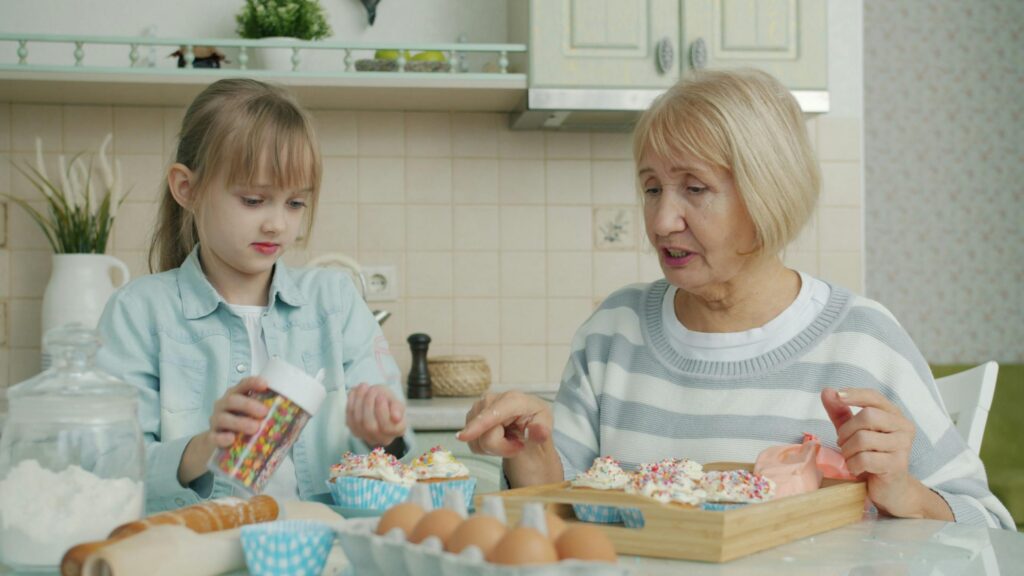
Intergenerational care brings together people of all ages, from babies to the oldest members of our community and everyone in between. These activities create opportunities for interaction between different generations in both informal and structured settings, and can range from shared art classes and games to simple conversations and storytelling. Many care homes invite local schoolchildren as part of intergenerational programmes or school projects, but this type of valuable interaction can also take place on a smaller scale, such as one-to-one time between a grandparent and a young grandchild.
Moving beyond simple entertainment, intergenerational activities foster meaningful, two-way connections built on shared knowledge, skills, and life experiences. Children of all ages benefit from learning from older generations, gaining perspective, understanding, and empathy, while care home residents are equally enriched by the joy, energy, and sense of purpose that young people bring. Together, these interactions help build stronger, more connected communities where every generation feels valued.
Why Bring Young People Into Nursing Homes?
Children of all ages visiting care homes can benefit just as much as residents, whether they are visiting with a school group or catching up with a family member.
Generations Working Together
Intergenerational activities bring care home residents and young people together and help create age-friendly communities. By working and spending time together, young people develop greater understanding and empathy, becoming more aware of older people’s needs and more likely to look out for them within their communities. These shared experiences help break down stereotypes and reduce ageism by challenging misconceptions and building genuine relationships and trust across generations.
For care home residents, engaging with younger people can be energising and meaningful, while for young people it encourages a more positive, realistic outlook on aging, showing it as a valuable and connected stage of life rather than something to fear or overlook.
Community Links
Building strong community links can significantly benefit care home residents by strengthening their sense of belonging and helping to build confidence and self-esteem. Regular interaction with younger people encourages social engagement and reconnects residents with their local culture and community, supporting a renewed sense of purpose and greater control over their own lives. These meaningful relationships help to reduce loneliness and isolation, promoting emotional wellbeing and ensuring residents feel valued, included, and connected to the world around them.
Encouraging Movement
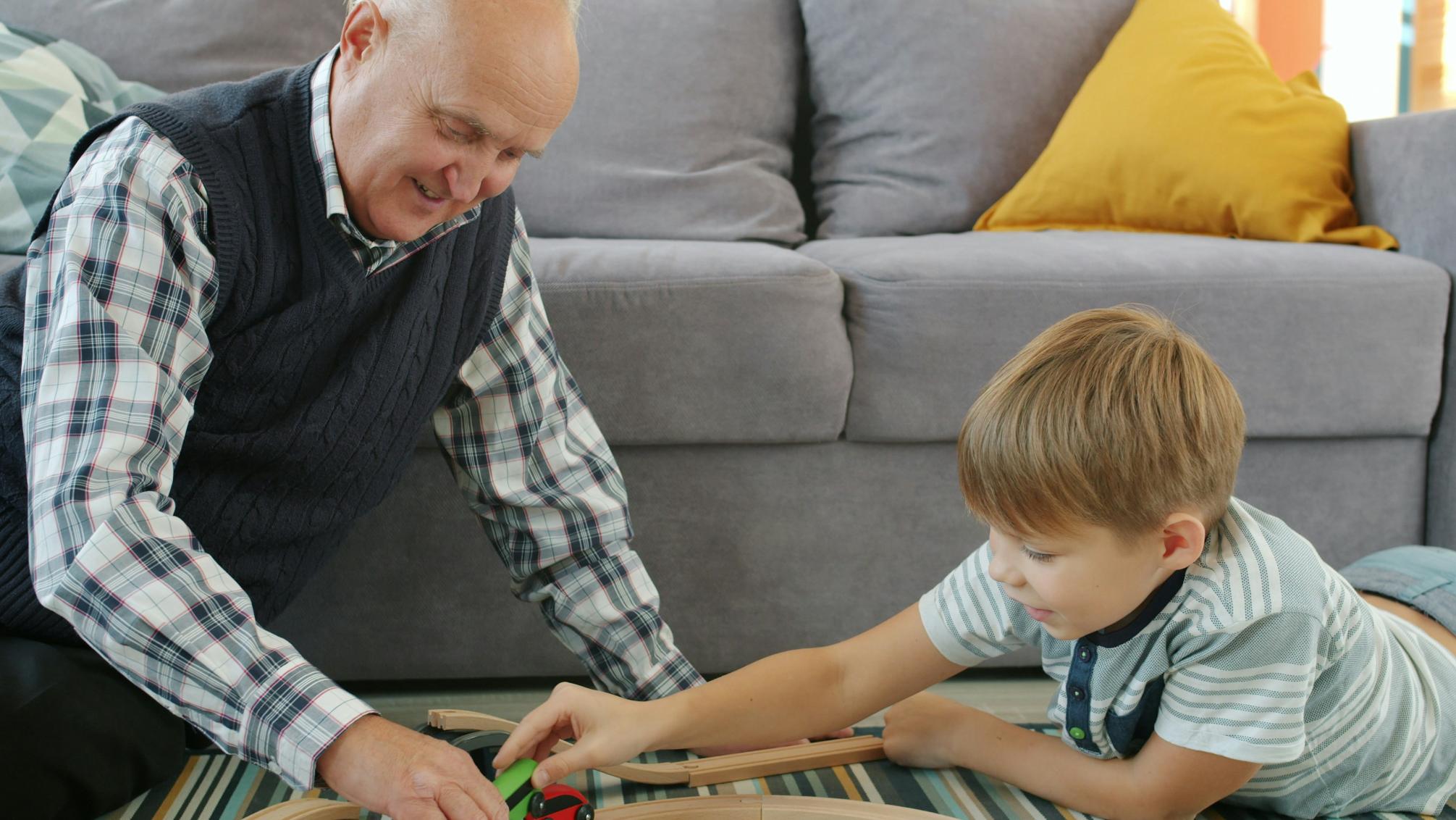
Intergenerational activities that encourage movement can have a powerful impact on the physical wellbeing of care home residents. Taking part in games and playful activities with younger children motivates residents to be more active, making exercise feel enjoyable and social rather than a routine task. This increased movement can improve mobility, balance, and flexibility, helping to reduce the risk of falls and potentially lessen reliance on mobility aids, which in turn supports greater independence and autonomy. Regular physical activity also contributes to better overall health and wellbeing and can help increase life expectancy, enabling residents to maintain a higher quality of life.
Increasing Cognitive Function
Varied activities can strongly support the cognitive function of care home residents by providing a refreshing change of pace and atmosphere, with children bringing lively and vibrant energy into the setting. These interactions offer valuable opportunities for residents to learn, practice and re-engage skills they may not use regularly, such as fine motor skills through games, crafts or shared tasks.
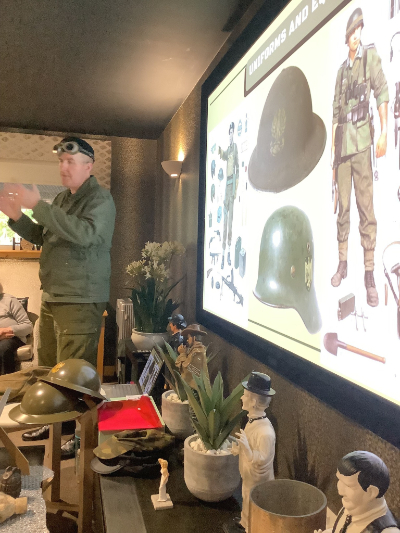
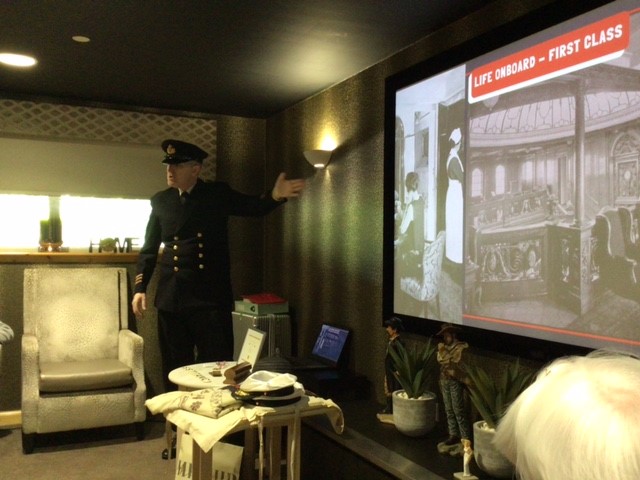
Reminiscence is encouraged as residents tell stories and share experiences, with children and playful activities sparking positive memories and meaningful conversations; this is particularly beneficial for people living with dementia. Using imagination and creativity in this way helps keep minds active, supports cognitive stimulation, and enhances overall wellbeing. Children can also learn a lot from the expertise and valuable lessons taught by their older counterparts.
Supporting Emotional Wellbeing
All of the factors we have mentioned so far can have a powerful positive impact on the mental and cognitive wellbeing of care home residents, while also offering valuable benefits for young people. The combination of physical activity, social connection, creativity, and stimulation supports residents’ mental health, helping to reduce anxiety and the risk of depression through meaningful relationships and shared enjoyment.
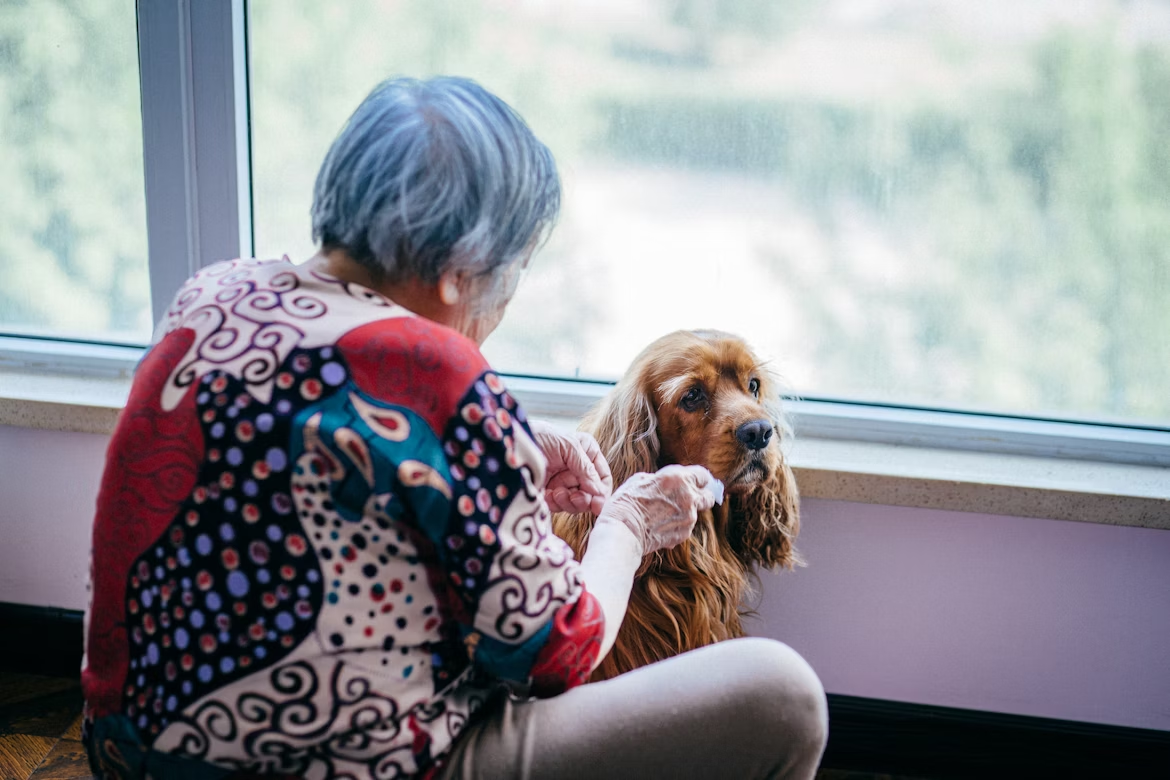
The presence of children often brings a calming influence, particularly for people living with dementia, helping to ease anxiety and create a relaxed, positive atmosphere. Residents are also given the opportunity to take on a caring role with young children and help with art activities or puzzles, offering reassurance, or supporting them if they fall. This can provide a strong sense of purpose and allows residents to feel valued and capable, rather than always being the ones receiving care.
Intergenerational Activities You Can Try
Here are some examples of great intergenerational activities that everyone can get involved with, no matter their age. These are perfect for care home group activities, for children visiting their grandparents or family gatherings.
Creative arts and crafts sessions such as drawing, colouring, collage or painting are accessible and inclusive. There are no wrong answers and everyone of any ability can get stuck in and express themselves through art.
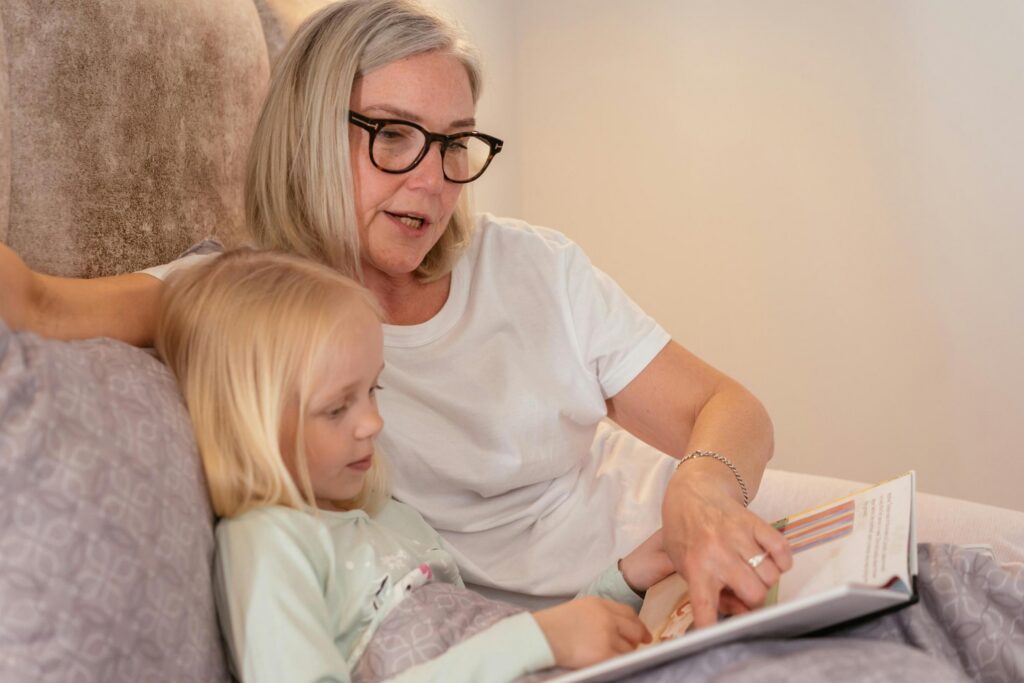
Reading and telling stories encourages reminiscence and discussion of various topics and feelings. Sharing opinions supports communication, self-expression and comprehension in both the elderly and young children.
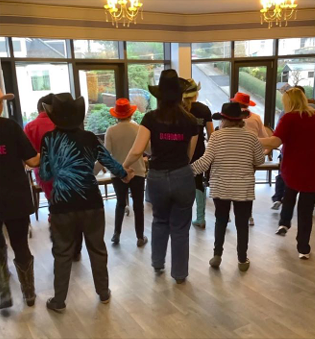
Singing songs, dancing and playing simple instruments together exercises our bodies and different parts of the mind, and is great fun!
Planting flowers in a safe and secure garden promotes teamwork, communication and following instructions, as well as providing a shared sense of achievement.
Puzzles and simple board games such as snakes and ladders are inclusive and enjoyable for all ages.
Older children and teenagers can interview their older people to hear their stories and memories, giving children an opportunity to learn and listen, and care home residents the chance to reminisce and socialise.
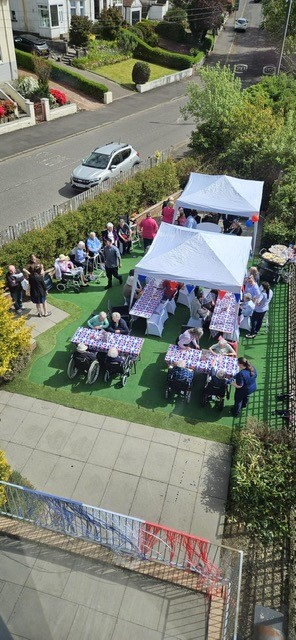
Family-friendly events such as seasonal celebrations, parties or summer barbecues bring families and friends together in a bustling, exciting atmosphere.
Connecting Generations in Glasgow
Here at Westerton Care Home in East Dunbartonshire, we take pride in our varied activities programme, keeping our residents connected with the local community they hold dear. We nurture residents’ wellbeing by encouraging mental and social stimulation and creating a supportive, vibrant atmosphere in our luxury home. Alongside our exceptional care tailored to each unique individual, our residents are empowered to live rich and fulfilling lives by making use of our all-inclusive facilities. If you’re searching for the perfect care home for you in Bearsden, please get in touch with our friendly, dedicated team today to arrange a home tour. We can’t wait to welcome you to Westerton.