Dementia Care in Glasgow: A Quick Guide for Families

Navigating dementia care in Glasgow can be an emotional and challenging process for both individuals and their families. Understanding what this type of care includes and what great support looks like can help you feel more confident when searching for your perfect dementia care home. In this guide, we'll discuss what to look out for and provide you with the knowledge you need to make the best decision for you and your loved ones.
What is Dementia?
Dementia is not a single disease, but an umbrella term for over 100 conditions that affect the brain, the most common being Alzheimer's Disease. The main symptoms include changes to cognitive function, impacting memory, thinking skills, language, judgment and behaviour. While memory loss is often the most recognised symptom, dementia can also disrupt a person's ability to perform daily tasks, navigate familiar environments, communicate effectively and maintain their independence.

Who is Dementia Care Suitable For?
Dementia care in Glasgow is designed to provide comprehensive support and assistance to individuals navigating the complexities of cognitive decline, regardless of the specific diagnosis or stage of the disease. It offers a safe, structured environment with specialised programs and therapies that promote well-being, maintain cognitive function and enhance quality of life.
As there are so many different types of dementia, every person can be affected differently. This means that care must be personalised to each individual, based on their existing routines, preferences, personalities and unique needs. Dementia is a progressive disease, meaning that there is no cure and symptoms will get worse over time. Instead of curative treatments, dementia care focuses on keeping residents safe and happy. Sometimes care will include attempting to slow the progression of dementia by reducing stress and offering therapeutic and cognitive activities.
Caring For The Different Types of Dementia
For those experiencing memory loss, confusion and behavioural changes (the main symptoms of Alzheimer's disease), a care home environment can provide familiar structure and routine.
Another common type of dementia is Vascular Dementia, which arises from reduced blood flow to the brain, often due to stroke or other cardiovascular problems. Individuals with this type of dementia might experience difficulties with judgment, planning and mood regulation. In these cases, tailored care and assistance delivered by highly-trained staff is necessary to ensure the comfort of the individual.
Lewy Body Dementia is marked by the presence of protein deposits in the brain that impact thinking, memory, movement, behaviour and even sleep. Those with Lewy Body Dementia might experience visual hallucinations, fluctuations in cognitive abilities and movement difficulties similar to those seen in Parkinson's disease. Specialised dementia care can help manage these complex symptoms and provide support for both physical and cognitive challenges. The dementia-friendly environment present in many specialist dementia care homes in Glasgow can help residents feel safe and more at-ease.
Frontotemporal Dementia primarily affects the frontal and temporal lobes of the brain, leading to significant changes in personality, behaviour and language skills. This can manifest as impulsivity, apathy and difficulty with communication. Dementia care provides a structured environment and personalised support to navigate these changes, ensuring individuals feel safe, understood and respected. Experienced carers will get to know each resident and work out the best ways to communicate with them in a dignified way.

Benefits of Dementia Care in a Care Home Setting
Dementia care homes in Glasgow offer a haven of specialised support, ensuring a sense of security and well-being for individuals living with dementia. With teams specifically trained in understanding and managing the nuances of dementia, these care homes provide compassionate care that addresses both the physical and emotional needs of residents. This expertise translates into personalised assistance with daily tasks, effective communication strategies and a gentle approach to managing behavioural changes, ultimately preserving dignity and enhancing the quality of life for those with dementia.
Dementia-Friendly Environments
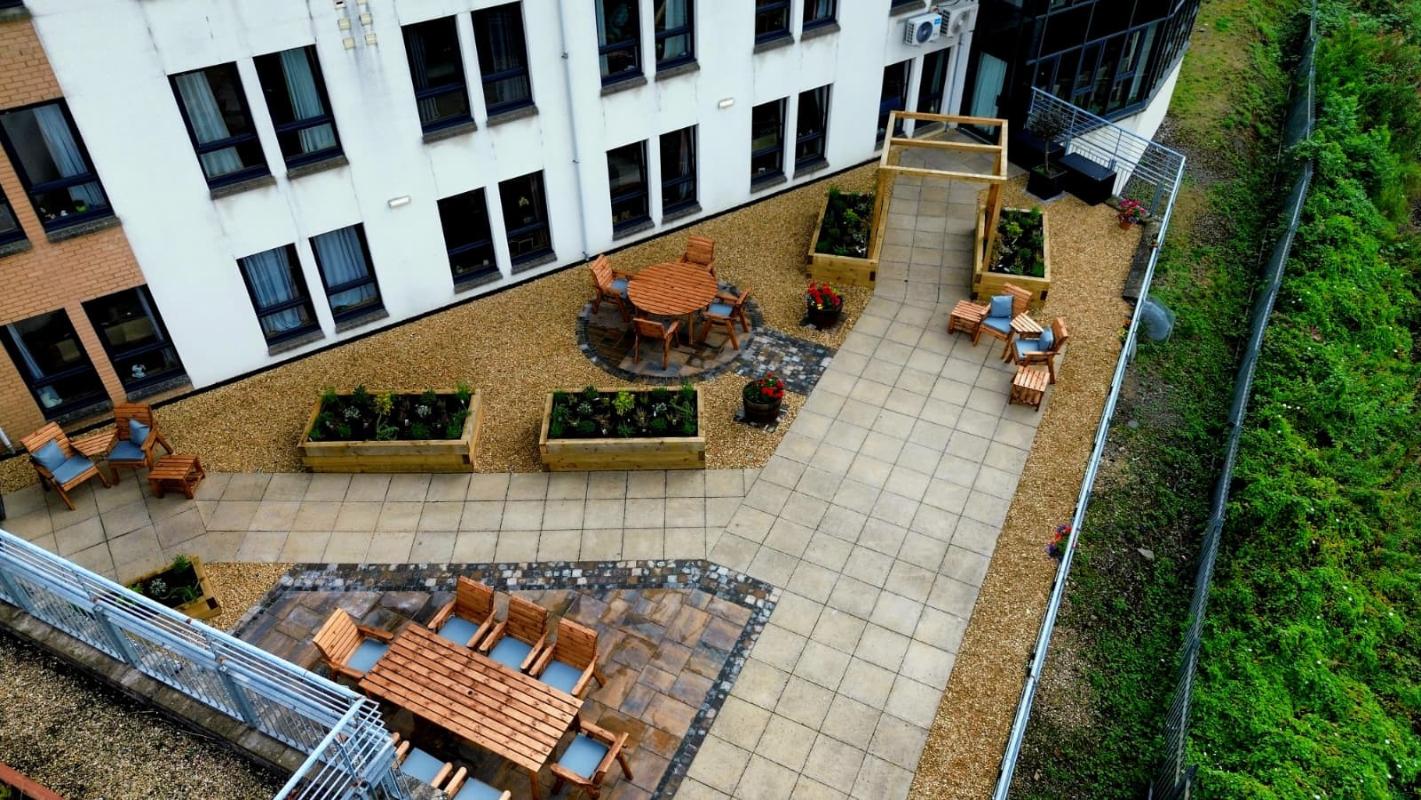
One of the cornerstones of dementia care is the creation of a safe and secure environment. Care homes specialising in dementia often feature thoughtful design elements that minimise confusion and agitation. Landscaped, secure gardens allow residents to enjoy the outdoors safely and independently, while clear signage and calming colour schemes help create a sense of predictability and reduce anxiety. These carefully curated spaces provide a sense of freedom and autonomy while ensuring the safety and well-being of residents.
Personalised Dementia Care Plans
A personalised approach and recognising that dementia affects each person differently is paramount. A comprehensive assessment of the individual's needs, preferences and life history helps create tailored care plans that address their unique challenges and strengths. This might involve adapting activities to their abilities, providing dining options that accommodate their tastes and nutritional needs, and offering support with daily tasks in a way that encourages independence and dignity.
Activities For People Living With Dementia
Engaging activities and therapies play a vital role in enhancing the lives of those with dementia. By focusing on stimulating the mind, encouraging social interaction and creating a sense of purpose, care homes can help slow cognitive decline and improve overall well-being.
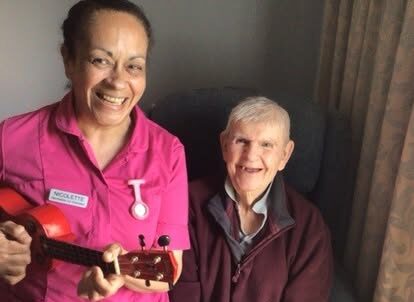
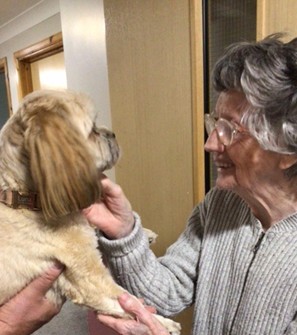
Activities might include reminiscence therapy, where residents share cherished memories and stories from their past or music and art sessions that encourage creativity and self-expression. Gentle exercise classes can promote physical health, while outings to local attractions to provide a change of scenery, a sense of belonging and social engagement. Sessions such as pet therapy and intergenerational activities are especially beneficial for people living with dementia.
Emotional Support
Dementia is a journey that affects not only the individual but also their families. Care homes with a strong dementia care service recognise the importance of family involvement and provide emotional and psychological support to both residents and their loved ones. This might include offering counselling services, support groups and educational resources to help families navigate the challenges of dementia and maintain strong connections with their loved ones.
Respite care is another valuable service offered by many dementia care homes. It provides temporary relief for family caregivers, allowing them to take a break while knowing their loved one is receiving expert care in a safe and supportive environment. This can help prevent caregiver burnout and ensure that families can continue to provide loving support in the long term.

Our Dementia Care in Glasgow
At Westerton Dementia Care Home in Glasgow, we are committed to providing exceptional dementia care that prioritises the individual. Our dedicated dementia care community provides a secure and stimulating environment where residents can thrive. Our team of experienced care professionals understands the unique challenges of dementia and is trained in the latest care techniques, ensuring that residents receive the compassionate and personalised support they need.
We believe that a fulfilling life is possible at every stage of dementia. Choosing dementia care at Westerton Care Home means embracing a lifestyle that promotes dignity, independence and a profound sense of well-being. Our person-centred approach, coupled with our specialised care environment, helps residents navigate the complexities of dementia while maintaining their sense of self and maximising their quality of life.
If you're seeking dementia care Glasgow or the surrounding areas, we invite you for a zero-pressure visit of our home. Arrange a home tour today to meet our friendly team and discover how Westerton Care Home can provide the support and peace of mind you and your loved one deserve.
This blog was updated on Monday 3rd August 2026.