Nursing Home Activities: Building Community & Purpose

When families first begin looking at care options, it is natural to worry that life in a nursing home may feel quiet, limited or less engaging than life at home. In reality, a great care environment provides opportunities for connection, enjoyment, routine and purpose.
Dedicated activity coordinators play an important role in this. They create a diverse programme of activities that supports different interests and hobbies. These activities help residents continue doing things they enjoy while discovering new experiences in a safe and supportive setting.
Benefits of Care Home Activities
Care home activities help build a supportive and inclusive environment where everyone can take part in a way that feels right for them. Staff adapt sessions for different abilities and confidence levels, and are always nearby to offer gentle encouragement or practical help when needed.
Keeping the Body and Mind Active
Physical activities are especially valuable. Gentle movement can help residents build strength, flexibility and mobility, while also supporting balance and coordination. This can reduce the risk of falls and help residents feel more confident in their everyday movements. Gentle movement such as seated exercise, light stretching, walking and simple ball games can all help keep the body active.
Cognitive and mental activities are just as important. Puzzles, quizzes, reminiscence sessions and conversation-based activities can support brain health and help residents stay mentally engaged. In some cases, cognitive stimulation has been shown to help slow the progression of dementia symptoms, particularly when activities are regular, enjoyable and tailored to the person. Activities also give residents the chance to continue existing hobbies. Keeping these familiar interests alive can support feelings of individuality and joy.
Staying Social
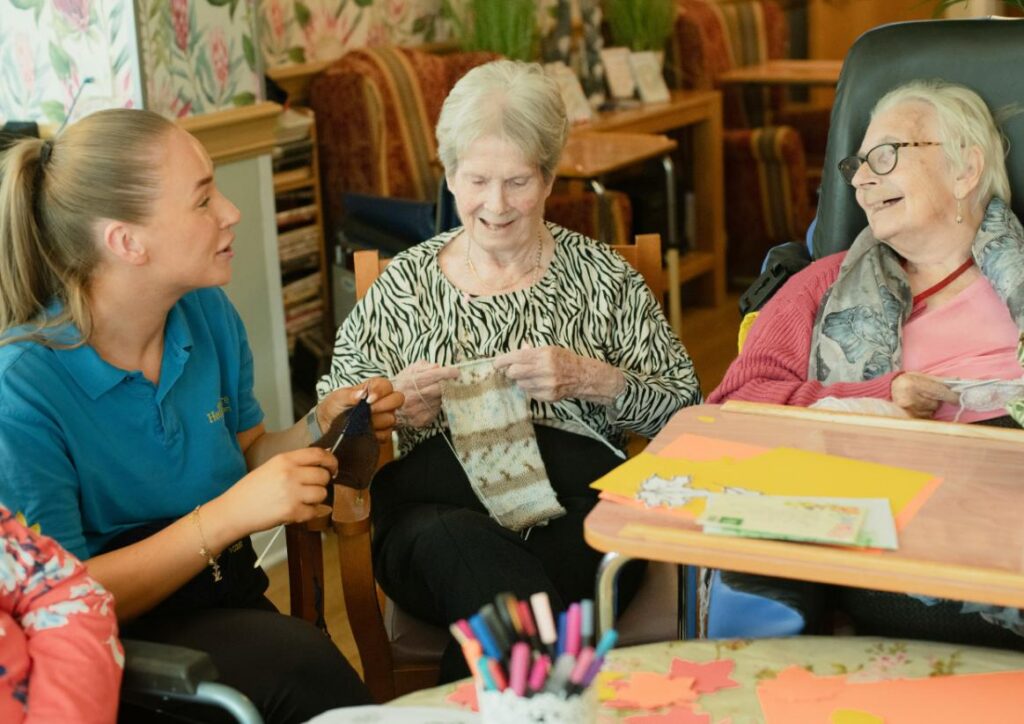
Socialisation is another major benefit of regular activities. Bringing people together helps reduce feelings of loneliness or isolation. Taking part in a group can encourage friendship and laughter, and teamwork can create a stronger sense of belonging and purpose.
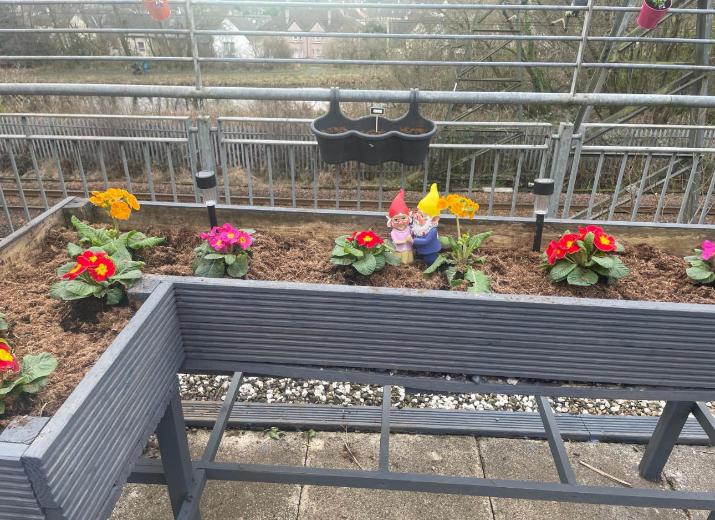
Outdoor activities offer fresh air, gentle movement and a chance to enjoy nature. The peace of mind that safe gardens, flat paths and raised planters provide can make time outside accessible and enjoyable. Sensory experiences, such as feeling soil, smelling flowers, listening to birds or enjoying the warmth of the sun, can be calming and meaningful.
Taking part in activities can also reduce anxiety and boost mood. A familiar routine, gentle encouragement and the freedom to choose how to participate can all support independence. Even small moments, such as joining a singalong or helping decorate a communal space, can bring comfort and a sense of achievement.
Supporting Residents Living with Dementia
All residents can benefit from meaningful activities, but people living with dementia may gain additional advantages. The right activities can support memory, communication, emotional wellbeing and self-expression.
Reminiscence activities are especially helpful. Looking through old photographs, discussing past events, listening to familiar music or handling objects from earlier life can bring back memories and encourage conversation. These moments can be reassuring, particularly when they connect with a person’s own life story.
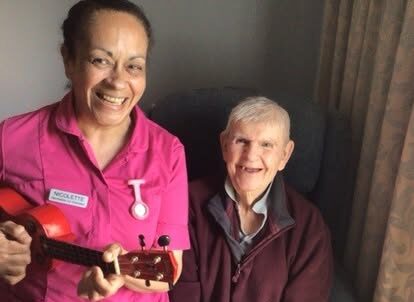
Music therapy is also valuable for brain health. A familiar song can often spark recognition and emotion, even when other forms of communication feel harder.
Creative activities can help residents express themselves without needing to find the right words. Painting, colouring, crafting or making decorations can support a sense of identity and give residents something personal to be proud of.
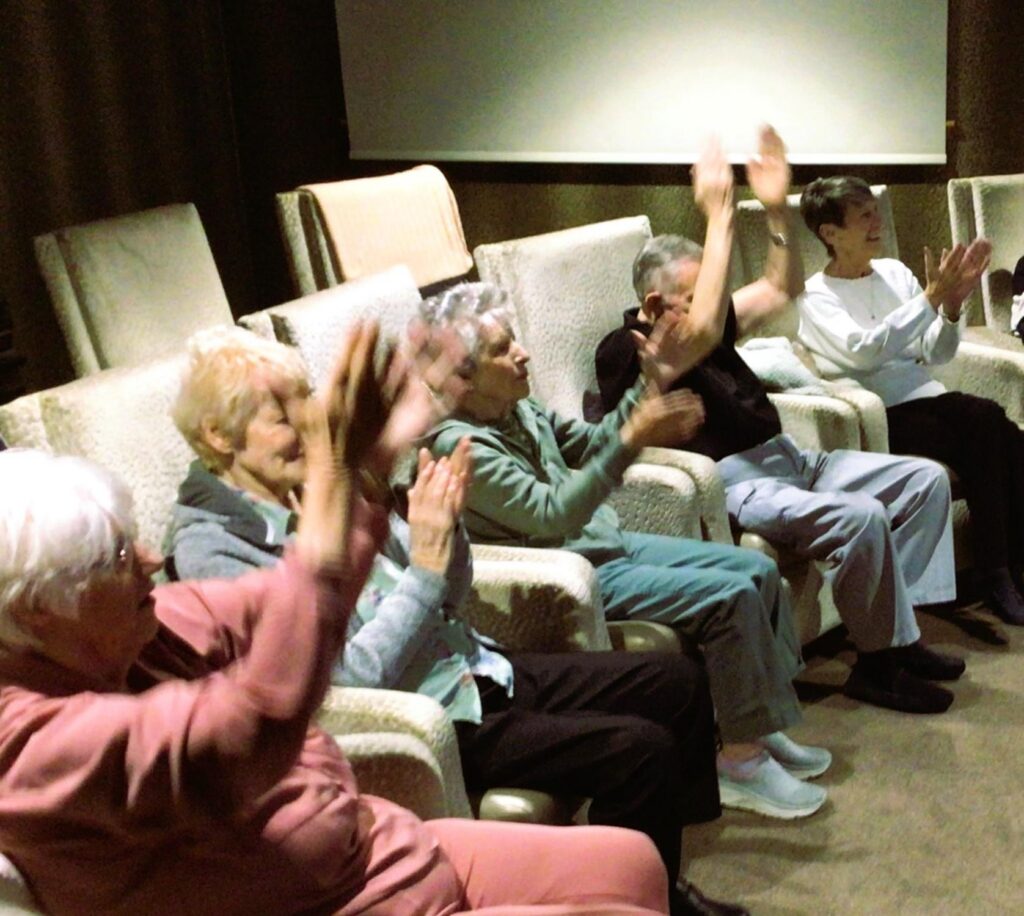
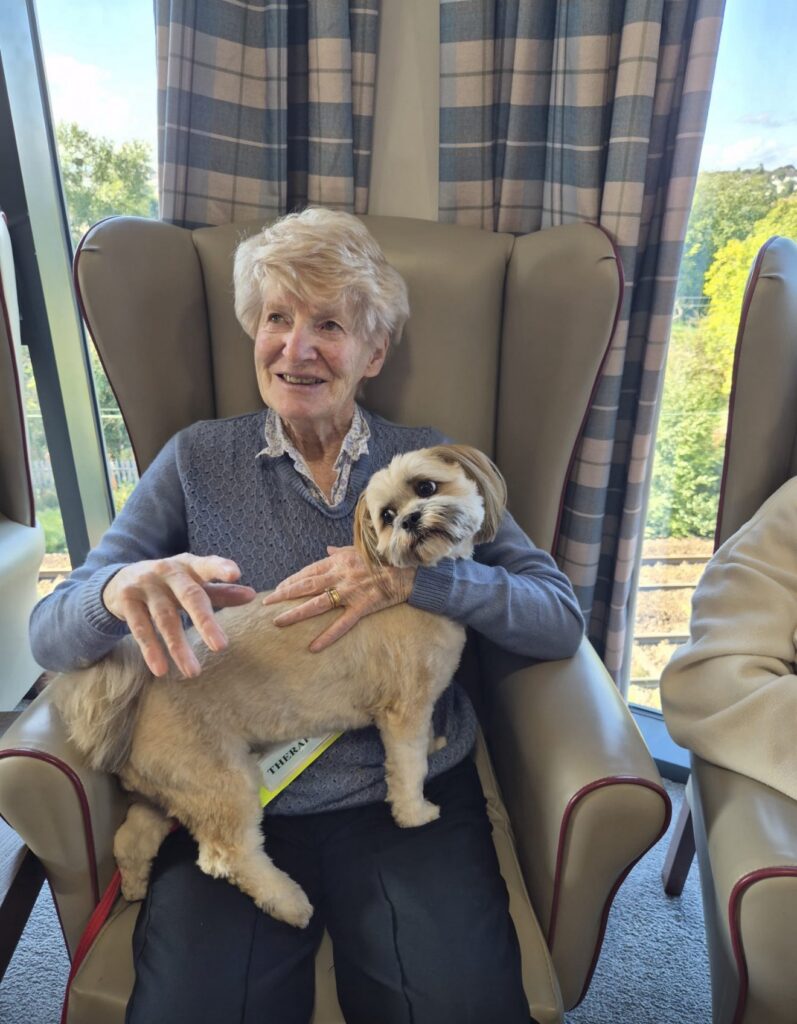
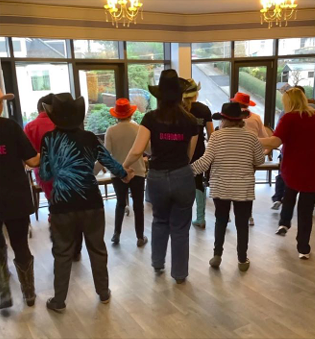
Nursing Home Activities
A varied activities programme should include something for everyone. Some residents may enjoy calm, one-to-one activities, while others may prefer group sessions, outings or games. Here are some example of popular care home activities:
Physical Activities
Seated exercise classes to support movement, strength and flexibility
Gentle yoga or tai chi to encourage balance, breathing and relaxation
Guided walks indoors, in the garden or around safe local areas
Ball games such as bowls, catch or soft target games, played indoors or outdoors
Gardening using raised planters, flat paths and secure outdoor spaces
Cognitive Stimulation
Jigsaw puzzles that encourage concentration and problem-solving
Quizzes based on general knowledge, music, films, history or familiar themes
Reminiscence sessions using photographs, music, objects or shared memories
Word games, matching games or simple discussion activities
Reading aloud or listening to short stories, poems or newspaper articles
Creative Activities
Painting, colouring or drawing
Crafting, card making or simple model making
Making decorations for seasonal events such as Christmas or Easter
Flower arranging or creating displays for communal spaces
Musical activities such as singalongs, rhythm sessions or listening to favourite songs
Social Activities
Book clubs or shared reading groups
Bingo and other familiar group games
Film screenings with time to chat afterwards
Coffee mornings or afternoon tea
Group discussions, themed days or celebration events
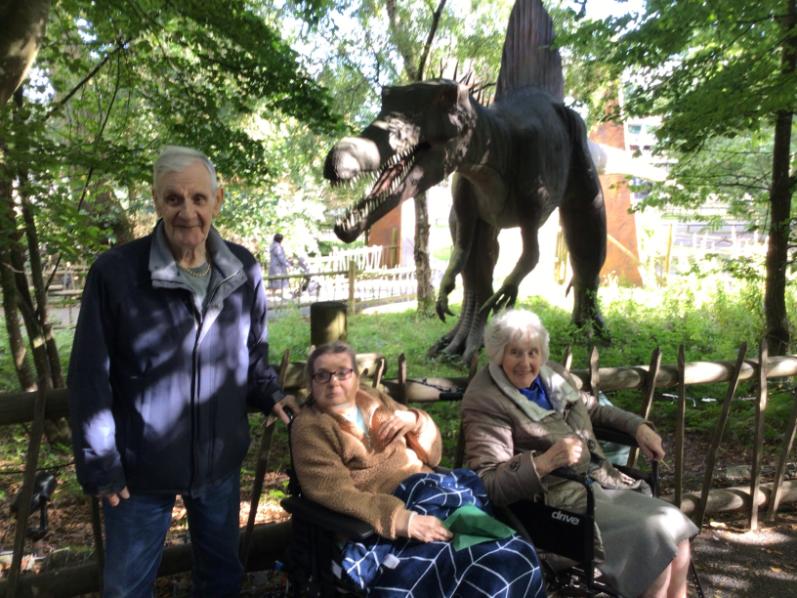

Entertainment & Outings
Accessible trips using a dedicated minibus, where available
Visits to garden centres, local cafés, parks, shops or community events
Visiting musicians, singers or dancers
Guest speakers who talk about history, local life or specialist interests
Seasonal events, performances or celebrations within the home
Activities with Multiple Benefits
Baking, which encourages teamwork, fine motor skills, following instructions and sensory enjoyment
Intergenerational activities, which can support self-esteem, conversation and a sense of purpose
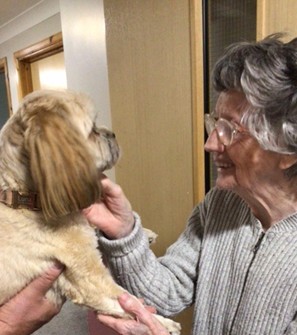
Pet therapy, which can encourage socialisation, reminiscence and the release of happy hormones
Gardening, which combines gentle movement, sensory stimulation and time outdoors
Music sessions, which can support memory, mood, movement and connection
Live an Engaging Life in Bearsden
At Westerton Care Home, activities are shaped around the people who live here. Our team takes time to understand each resident’s interests and abilities, creating opportunities that feel truly special. Our aim is to help every resident enjoy a rich, engaging life at our care home in Bearsden, surrounded by companionship and purpose. Arrange a tour of our home today to see our engaging activities and exceptional care in action. We can’t wait to meet you.