To choose the best type of care for yourself or a loved one, it’s essential to have a good understanding of what you should expect from a Glasgow nursing home. In this blog, we’ll explain what a nursing home will typically provide, to help you ensure the best possible support for your family.
What is a Nursing Home?
In a nursing home, residents receive round-the-clock care and support from qualified nurses, alongside help with everyday tasks in a safe and comfortable setting. Nursing homes are typically the right choice for individuals who have more complex health needs or require regular medical attention, as well as those who would benefit from the reassurance of having trained professionals available at all times. This level of care helps residents feel supported, while still encouraging as much independence and familiarity in daily life as possible.
Nursing Care in a Nursing Home
24/7 Personal Care
Round-the-clock personal care gives residents gentle, respectful support whenever it is needed, day or night. This can include help with washing, dressing and using the bathroom, and is always delivered in a way that protects dignity and comfort.
Good nursing homes in Glasgow also focus on helping people stay as independent as possible, maintaining quality of life through familiar routines and encouraging residents to choose what they would like to eat, wear and how they spend their time.
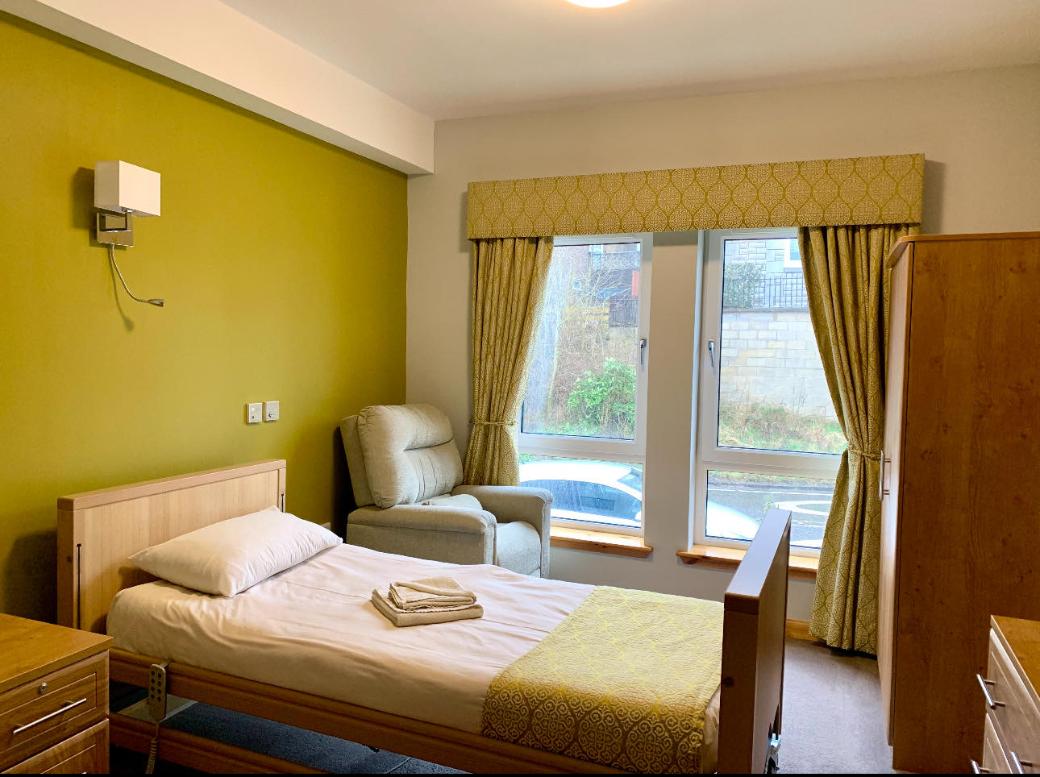
Support with mobility can make everyday life feel safer and more comfortable, with many homes designed to feel both secure and homely. Features such as profiling beds, accessible wet rooms, handrails and 24-hour nurse call systems offer peace of mind to residents and their families, while helping people move around and live with greater confidence. Laundry and housekeeping are taken care of too, so residents can spend more time enjoying the things that matter to them.
Nursing and Medical Support
Nursing homes in Glasgow have qualified nursing staff on site around the clock, offering an added level of support beyond residential care, which is usually delivered by care workers. This means residents can receive help with medication management, regular health checks and careful monitoring of long-term conditions such as diabetes, heart disease or age-related health concerns.
Nursing teams also work closely with GPs and other healthcare professionals, helping to ensure care is joined up and responsive as needs change. Support is guided by a regularly reviewed care plan that is tailored to each person’s preferences, values and individual care needs.
Dementia Care
Some homes also offer specialist dementia care, with trained staff who understand the many ways symptoms can affect daily life. These settings often provide safe, secure surroundings and reassuring daily routines, which can help reduce confusion and bring a greater sense of calm.
Just as importantly, emotional support is there for both residents and their families, offering guidance, understanding and reassurance at every stage.
Meals and Nutrition
Meals and nutrition in nursing homes are approached with care and attention, with freshly prepared dishes created by in-house chefs using seasonal, rotating menus that can often bring back happy memories.
Residents are given real choice at mealtimes, with the flexibility to adapt dishes to suit their personal tastes. Importantly, dietary needs, including specialist or fortified diets, are thoughtfully catered for.
Support is always available during mealtimes, however it is offered in a gentle and respectful way, helping residents remain as independent as possible. This balanced approach ensures that every meal feels both nourishing and enjoyable, while also providing comfort and familiarity.

Daily Life and Wellbeing Services
Social Activities
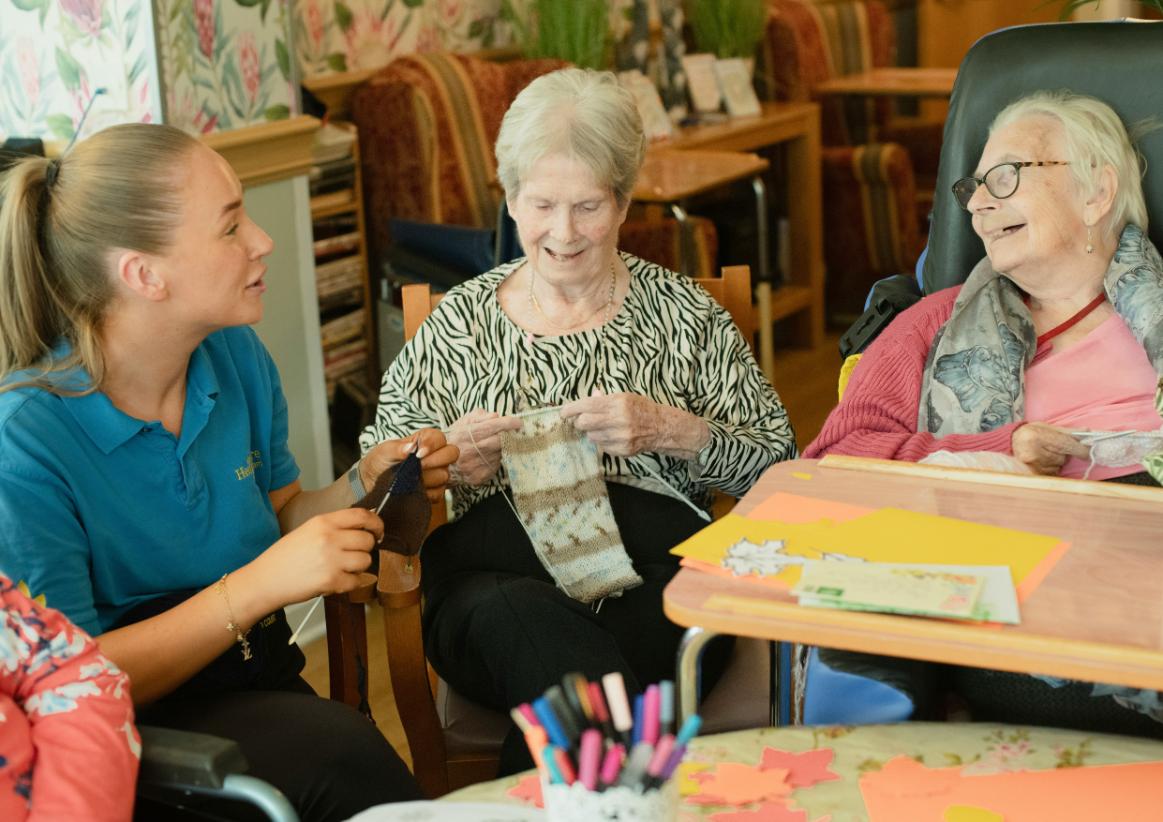
A warm and active social life can make a real difference to wellbeing, which is why many nursing homes in Glasgow offer a varied programme of social activities each day. Group activities, games, crafts and entertainment help make days engaging and fulfilling, while also supporting cognitive function and brain health. They can encourage self-expression, communication and meaningful connection with others.
Many homes also arrange outings and community visits in the local area, helping residents stay connected to the people, places and culture that feel familiar to them.
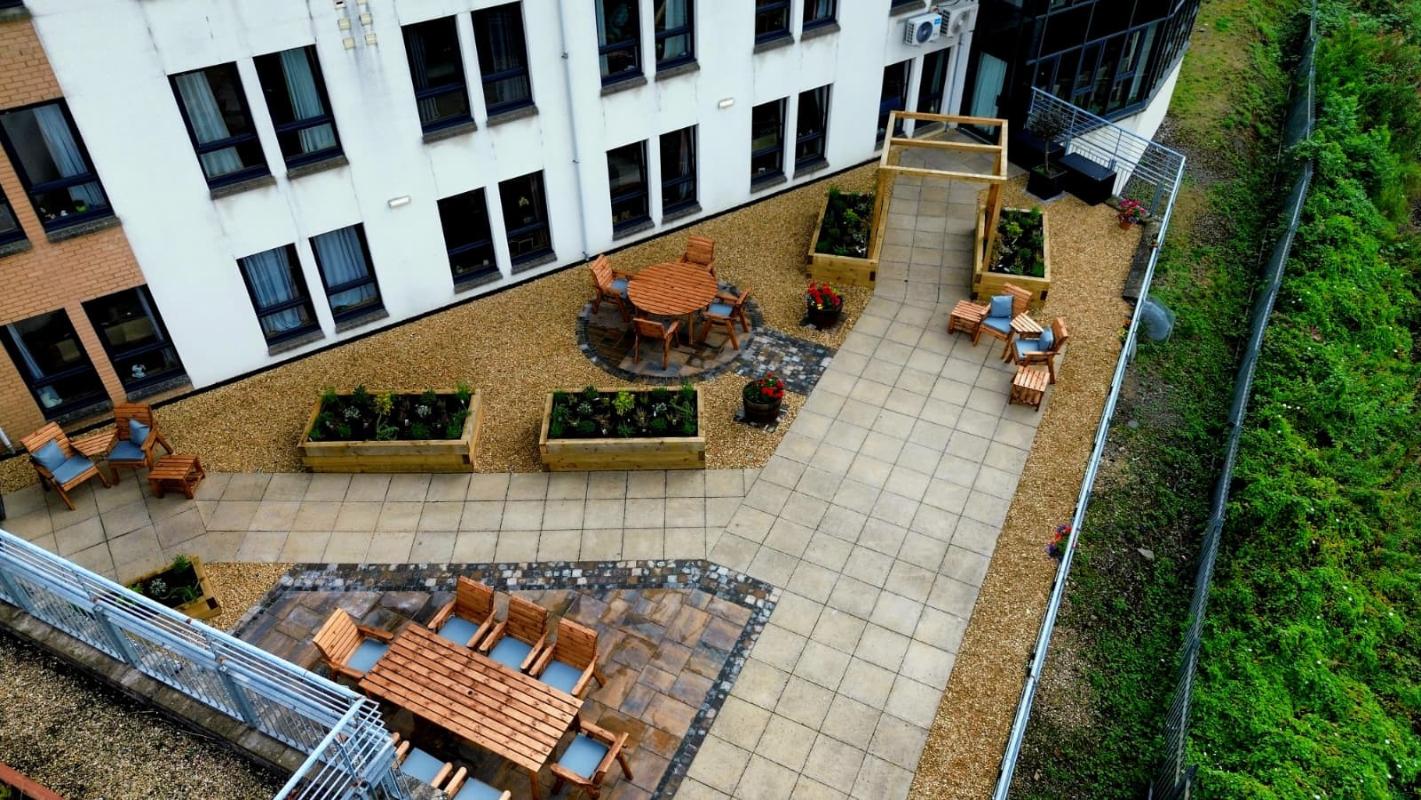
For physical wellbeing, gentle exercise classes and movement sessions can help residents stay active and comfortable at their own pace. Private, secure gardens are often designed to be easy to enjoy, with flat paths, regular seating and raised planters, offering a calming outdoor space that can support mental health and allow residents to continue hobbies such as gardening.
Emotional and Mental Wellbeing
Emotional and mental wellbeing is supported through meaningful companionship and regular social interaction, helping to reduce feelings of loneliness and anxiety. Residents are always given the choice of how they spend their time, whether that is enjoying the comfort and privacy of their own bedroom or joining others in shared spaces.
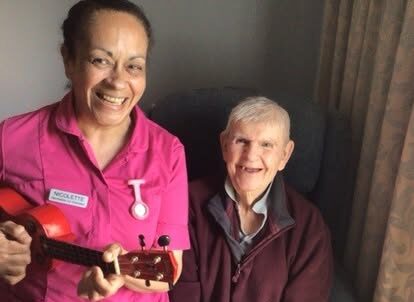
As nurses and carers get to know each individual well, they often help introduce residents to others with similar interests and gently encourage connections.
This thoughtful, person-centred approach helps create a sense of belonging, where friendships can grow and each resident feels seen, supported and at ease.
Accommodation and Facilities
Accommodation is designed to feel safe, comfortable and familiar, with private bedrooms that can be personalised so each space truly feels like home. Most nursing home bedrooms include en-suite wet rooms, supporting both dignity and ease of access in everyday routines.
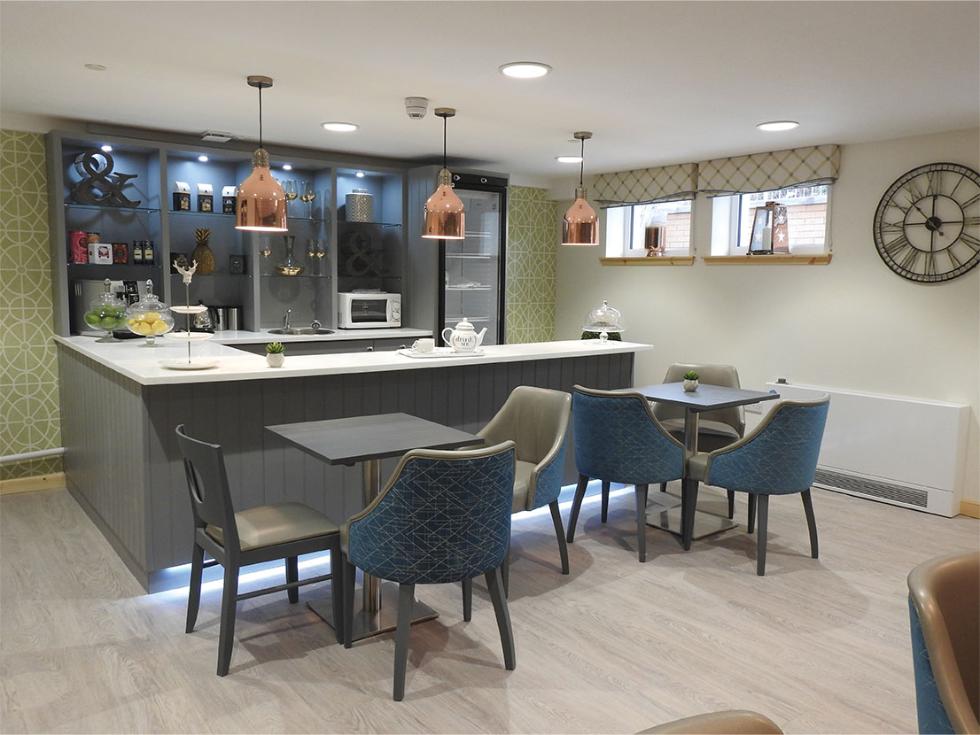
Alongside this, communal lounges and dining areas are thoughtfully arranged to feel cosy and welcoming, giving residents a chance to relax or spend time with others if they wish.
Gardens and outdoor spaces offer a calm setting for fresh air and quiet moments, while some luxury homes may also provide additional facilities such as in-house hair salons or cinema rooms, adding small touches of enjoyment to daily life.
Specialist Care Options in Glasgow Nursing Homes
Many nursing homes in Glasgow also provide specialist care options to support people at different stages of later life and changing health needs.
Respite care can be a helpful choice for short stays, whether someone needs temporary support after an illness, while a family carer takes a break or simply to try life in a care setting before making a longer-term decision. This can also include post-hospital recovery support, giving residents a safe and comfortable place to regain strength with the right help close by.
Where needed, palliative or end-of-life care is delivered with compassion, dignity and sensitivity, focusing on comfort and emotional wellbeing for both residents and their loved ones.
Dual registered care homes can offer added reassurance for the future, as they are able to provide both residential and nursing care. This means someone who currently needs residential support may be able to remain in the same familiar home if their care needs increase later on, avoiding the stress and disruption that another move can bring.
Our Nursing Home in Glasgow
At Westerton Care Home, we provide compassionate, person-centred nursing care in a welcoming, luxury environment. Our friendly and highly-skilled team of nurses are dedicated to providing the very best quality of life for every resident in our care, by truly getting to know them and their families. We’d love to welcome you to a tour of our care home to discuss how we can support you and your family. Please get in touch today to join the welcoming Westerton community.